

Starting 2026 with a Smile: Some Financial Good News to Share

As we step into a new financial year, it’s easy to get lost in the whirlwind of forecasts, budgets, and economic projections. However, amidst the challenges and uncertainties, there are also rays of positivity worth sharing. Here, we’ll delve into encouraging news from around the globe and how tools like the Merlin Investor app can help you navigate these changing landscapes effectively. Positive Developments in the EU The European Union has shown promising signs of recovery as inflation rates begin to stabilize. Recent reports indicate that inflation has dropped significantly, allowing for increased consumer confidence. This shift is leading to a more optimistic outlook for both businesses and households as spending begins to pick up. With the European Central Bank signaling a possible end to interest rate hikes, the economic environment is becoming more favorable for investments and growth. Good News from the U.S. In the United States, the job market continues to impress. Although the labor market could slow in early 2026, followed by gradual improvement in the latter half of the year, many sectors are seeing robust job creation. Recent statistics suggest that wages are also beginning to rise, which may bolster consumer spending further. This positive trend signals a resilient economy, giving households more purchasing power and paving the way for increased investments and consumption as we head into the new year. Bright Spots in the GCC The Gulf Cooperation Council (GCC) region is witnessing a surge in investments related to sustainability and green technologies. Countries like Saudi Arabia and the UAE are ramping up their efforts to diversify their economies away from oil dependency, focusing on renewable energy projects. These initiatives are attracting substantial foreign investments and creating job opportunities, contributing positively to the regional economy. Harnessing Technology with Merlin Investor In this rapidly shifting financial landscape, staying informed and making smart investment decisions are paramount. The Merlin Investor app is designed to help users keep track of their investments seamlessly. With real-time market insights, portfolio management tools, and personalized recommendations, Merlin Investor equips you with the resources needed to navigate the financial year ahead with confidence. Embrace this season with optimism, and consider integrating helpful tools like Merlin Investor to support your financial journey. Here’s to a productive and successful year ahead!
The Impact of Inflation on Your Savings: What You Need to Know
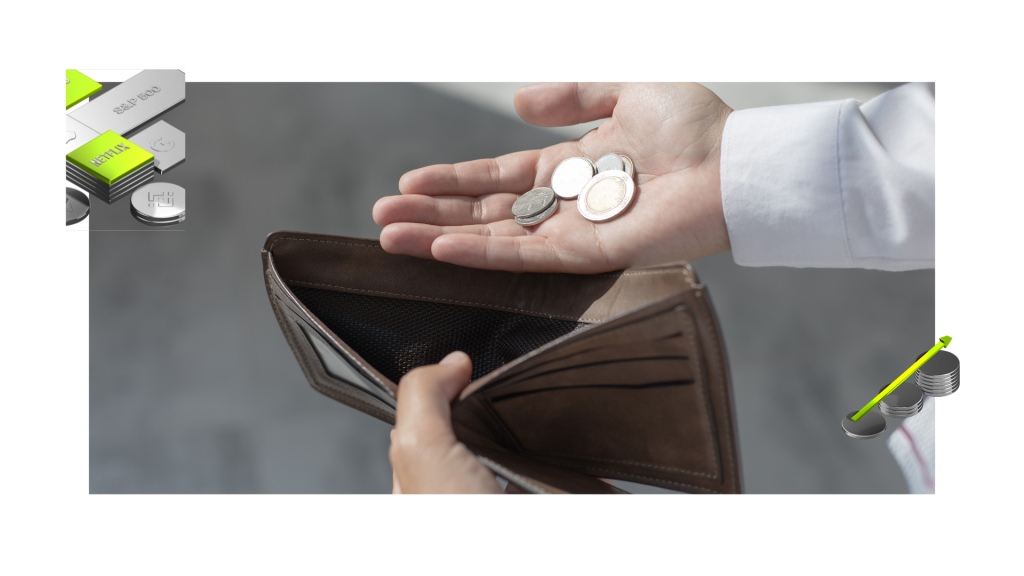
Inflation is a term that frequently surfaces in economic discussions, but what does it really mean for your personal finances? As the cost of goods and services rises, the purchasing power of your money decreases. This can have a significant impact on your savings and overall financial health. In this blog post, we’ll explore how inflation affects your purchasing power and discuss strategies to protect your savings from its erosive effects. Understanding Inflation and Purchasing Power What is Inflation? Inflation refers to the rate at which the general level of prices for goods and services rises, resulting in a decrease in purchasing power. It’s typically measured by the Consumer Price Index (CPI), which tracks the price changes of a basket of consumer goods and services over time. A moderate level of inflation is considered a normal part of a growing economy, but high inflation can be detrimental to consumers. How Inflation Affects Purchasing Power When inflation rises, each dollar you own buys fewer goods and services than it did before. For example, if the inflation rate is 3% per year, something that costs $100 today will cost $103 a year from now. If your savings are not growing at a rate that outpaces inflation, you may find yourself in a situation where your money is worth less over time. Here’s a simple breakdown: Strategies to Protect Your Savings from Inflation Fortunately, there are several strategies you can employ to protect your savings from the negative impacts of inflation: 1. Invest in Stocks or Equity Funds Historically, the stock market has outpaced inflation over the long term. While stocks can be volatile in the short term, investing in a diversified portfolio of stocks or equity funds can provide growth potential that outstrips inflation. Consider low-cost index funds or exchange-traded funds (ETFs) that track the market. 2. Consider Real Estate Investments Real estate can act as a hedge against inflation. Property values and rental income tend to rise with inflation, making real estate a potentially lucrative investment. Whether you invest in rental properties or real estate investment trusts (REITs), this asset class can provide both income and appreciation. 3. Explore Inflation-Protected Securities Treasury Inflation-Protected Securities (TIPS) are a government-backed investment option designed to protect against inflation. The principal value of TIPS increases with inflation, ensuring that your investment grows in real terms. While the interest rates may be lower than other investments, the protection against inflation can be valuable. 4. Diversify Your Investments A diversified investment portfolio can help mitigate risks associated with inflation. By spreading your investments across various asset classes—such as stocks, bonds, real estate, and commodities—you can reduce the impact of inflation on your overall financial health. 5. Increase Your Savings Rate As inflation erodes your purchasing power, it becomes essential to increase your savings rate. Consider automating your savings contributions to ensure you consistently set aside money. Look for ways to cut unnecessary expenses and redirect those funds into savings or investments. 6. Utilize High-Yield Savings Accounts or CDs While traditional savings accounts often offer low-interest rates, high-yield savings accounts or certificates of deposit (CDs) can provide better returns. These accounts may offer interest rates that are more competitive, helping your savings grow even in an inflationary environment. 7. Stay Informed and Adjust Your Strategy Keep an eye on economic indicators and inflation trends. Being informed will allow you to adjust your financial strategy as necessary. If inflation is rising, you may want to shift your investments or savings tactics to better protect your purchasing power.
The Impact of Inflation on Personal Finance: Tools and Strategies
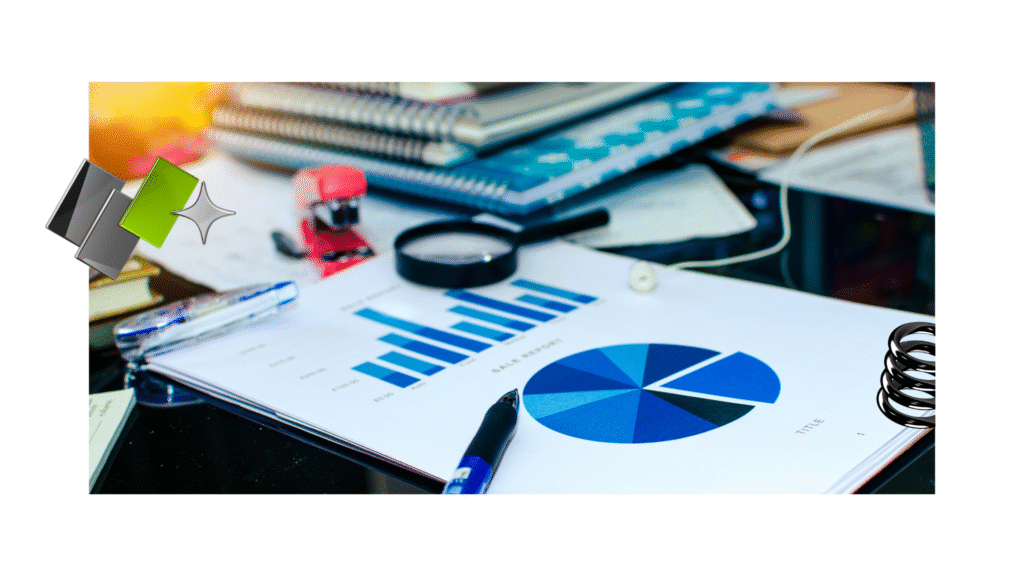
Inflation has become a pressing concern for many individuals and families around the world. As prices rise, the purchasing power of money decreases, making it increasingly challenging to manage personal finances effectively. Understanding the impact of inflation on personal finance is crucial for developing effective strategies to protect your financial well-being. In this post, we’ll explore how inflation affects personal finance and provide practical tools and strategies to help you navigate these turbulent times. Understanding Inflation Inflation refers to the rate at which the general level of prices for goods and services rises, eroding purchasing power. A moderate level of inflation is normal in a growing economy, but when inflation spikes, it can have significant implications for personal finances. Key Effects of Inflation: Tools to Combat Inflation Strategies for Managing Personal Finances During Inflation Inflation can significantly impact personal finance, but with the right tools and strategies, you can navigate these challenges effectively. By budgeting wisely, utilizing apps like Merlin Investor to identify inflation-resistant investments, and exploring ways to increase your income, you can safeguard your financial well-being against rising prices. Remember, staying informed and adaptable is key in an ever-changing economic landscape. With thoughtful planning and proactive measures, you can not only survive inflation but thrive despite it.